Computer Vision
Xylazine is a veterinary tranquilizer found in the street drug supply, causing ulcers and wounds needing special care.
This digital tool explores whether a computer can recognize xylazine wounds. It is not clinically validated and should not guide current clinical decisions. The tool is intended for educational purposes and looking at historical images. Read more about the methods.
Click “Screen Image” and select a photo of a suspected xylazine-associated wound. Clear, well-lit close-ups work best. Click the image again to screen something new.
The model can be wrong and is not intended for informing current clinical decisions. Click the image again to screen something new.
Click the image again to screen something new.
Practice Guidance
Machines cannot (and should not) replace the discretion of human practitioners. Refresh your understanding about how to recognize xylazine wounds. Different stages can overlap, and appearances vary with skin tone. These wounds can occur away from injection sites.
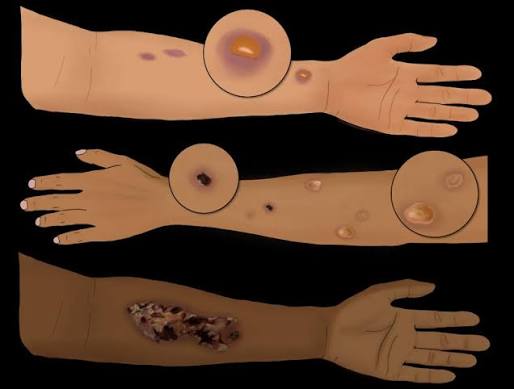
- Blisters and Discoloration. The upper arm shows blisters with reddish-purple borders.
- Lesions at Different Stages. The middle arm shows separate, circular lesions with different appearances.
- Dead Tissue and an Open Wound Bed. The lower arm shows dark eschar and yellowish slough within a larger wound.
Compared with an abscess: an abscess is a collection of pus, often forming a painful swelling. Injecting drugs can lead to abscesses.
Wound Care
Based on Philadelphia’s public-health recommendations and multidisciplinary clinical guidance.
- Clean gently. Wash hands, then use saline or soap and water. Avoid alcohol and peroxide: they can damage cells and dry the wound.
- Keep it moist and covered. Use petroleum-based ointment, a nonstick contact layer, and an absorbent outer layer. Secure the dressing without squeezing; a tight wrap can restrict circulation.
- Don’t pull off a stuck dressing. Soak it with water or saline first to reduce pain and tissue damage.
- Get medical care promptly for increasing pain, warmth, swelling or pus; fever; difficulty moving a joint; or visible tendon or bone.
Don’t cut away black tissue yourself. Xylazine-associated wounds can contain living tissue among dead tissue. Aggressive removal can enlarge the wound or expose tendon and bone. A clinician should assess how to remove dead tissue; deep infection may still require surgery.
Collaborate
If you like this project and want to collaborate, there are multiple ways to get involved.
For example:
- Academic partners and practitioners who want to do research and publish
- People who use drugs can contribute photos to improve the computer vision model
- Clinicians can evaluate the data and improve reliability
- Anyone providing feedback about this website can help improve the user experience
Reach out over email about these ideas or any others.